
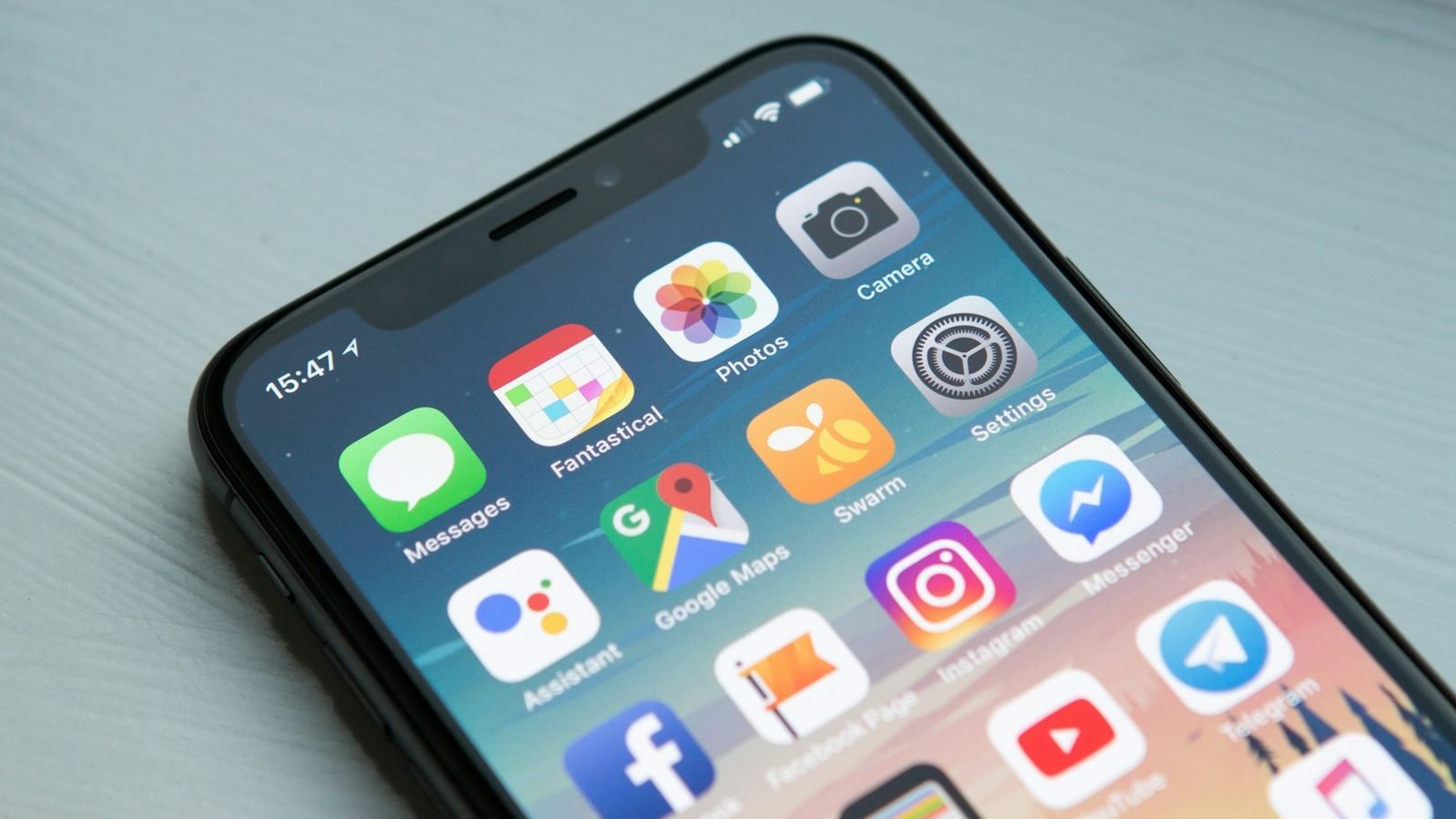
Here is an uncomfortable truth about apps: most people download them, open them once or twice and delete them. The app stores are full of products that took a year to build and were never opened a third time.
That shapes how we work. Before building, we want to know why someone will open your app on an ordinary Tuesday. If the honest answer is “they probably won’t,” a fast mobile website may serve you better, and we will tell you that.
When a mobile app is the right choice
Apps earn their place when users come back often or need something only a phone does well. Good reasons to build an app include:
- Frequent, repeat use, such as ordering, booking, tracking a workout or checking a balance.
- Push notifications that users actually want, like a delivery update or an appointment reminder.
- Device features: camera, GPS, Bluetooth, offline access, Apple Health or Google Fit data.
- Field teams who need a tool that works with patchy signal on a job site.
If your users visit once a month to read information, a well-built responsive site from our web development team is usually the smarter spend.
Native vs cross-platform app development
This is the first technical decision, and it has real budget consequences.
Cross-platform means one codebase that runs on both iPhone and Android. We use Flutter and React Native. For most business apps, marketplaces and consumer products, cross-platform is our default because you build and maintain one app instead of two. Performance is excellent for typical use.
Native development, using Swift for iOS and Kotlin for Android, still wins for apps that lean hard on device hardware, complex animations, AR or heavy background processing. It costs more because you are effectively building twice.
Between Flutter and React Native, the choice usually comes down to your existing team and any web code you want to share. Both are mature and well-supported.
Building an MVP that teaches you something
For startups, the first version of an app has one job: prove that people want it. We help cut the feature list down to the smallest set that tests your core idea. Social login, in-app chat and a rewards program can usually wait.
A typical MVP includes onboarding, the one or two core actions, basic profile settings, push notifications and analytics so you can see where users drop off. It also needs a back end: a database, an API and an admin panel where you manage users and content. We build that too, or connect to your existing systems.
If your idea involves customers, providers and real-time matching, like a delivery or booking platform, take a look at our on-demand app development page. Those projects have their own moving parts.
App Store launch and life after release
Getting approved is its own small project. Apple and Google each have review guidelines, privacy disclosures and screenshot requirements, and rejections for small issues are common. We prepare the store listings, handle submission and respond to reviewer feedback.
After launch, apps need ongoing care. Every year brings new iOS and Android versions that can break things, along with security patches, library updates and crash reports to fix. We offer maintenance plans that cover OS compatibility, bug fixes and small improvements, plus feature work as you learn from real users. Good screen design matters a lot on small displays, so our UI/UX designers stay involved after launch too.
What affects mobile app cost and timeline
The main drivers are the number of screens and user types, native versus cross-platform, the complexity of the back end, third-party integrations like payments or maps and whether the app needs to work offline. Most MVPs we scope land somewhere around three to four months from design to store launch. Larger apps are planned in releases so something useful ships early. Budget for maintenance from the start, since an app nobody updates starts collecting bad reviews within a year.
Have an app idea or an existing app that needs rescuing? Tell us what you are building and we will help you figure out the smallest version worth launching.